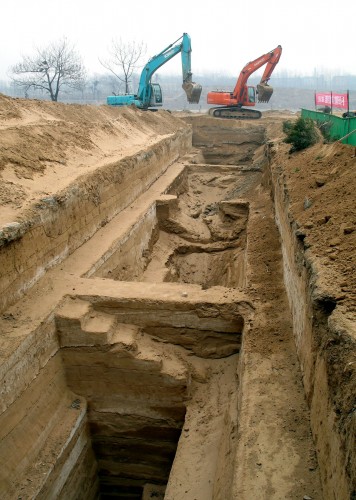
The Yin Dynasty Ruins in Anyang, China are a fascinating archaeological site that offers a glimpse into the ancient history of this region. Located in Henan Province, the ruins date back over 3,000 years to the Shang Dynasty, also known as the Yin Dynasty. This period of Chinese history is considered one of the earliest recorded dynasties and played a significant role in shaping Chinese culture and society.
The Yin Dynasty Ruins cover an area of approximately 24 square kilometers and include numerous palace foundations, tombs, workshops, and other structures that provide insight into the daily life and rituals of the ancient inhabitants. The most famous feature of the site is the tomb of Fu Hao, a powerful queen who was buried with an elaborate collection of bronze vessels, jade ornaments, and other precious artifacts.
Visitors to the Yin Dynasty Ruins can explore various areas of interest, including:
- The Palace Area: This section of the ruins contains the remains of several large palaces where the ruling elite would have lived and conducted official business.
- The Tomb Complex: The burial sites at Anyang are some of the most well-preserved examples from this period in Chinese history. Visitors can see intricate carvings on stone steles and learn about burial customs.
- The Oracle Bone Inscriptions: These inscriptions are some of the earliest examples of Chinese writing and provide valuable information about political events, religious practices, and everyday life during the Yin Dynasty.
In addition to exploring these historical sites, visitors can also enjoy beautiful gardens surrounding the ruins and learn more about ancient Chinese culture through interactive exhibits at on-site museums.
Overall, a visit to the Yin Dynasty Ruins in Anyang is a must for anyone interested in ancient history or archaeology. The site offers a unique opportunity to step back in time and experience firsthand what life was like during one of China's earliest dynasties.