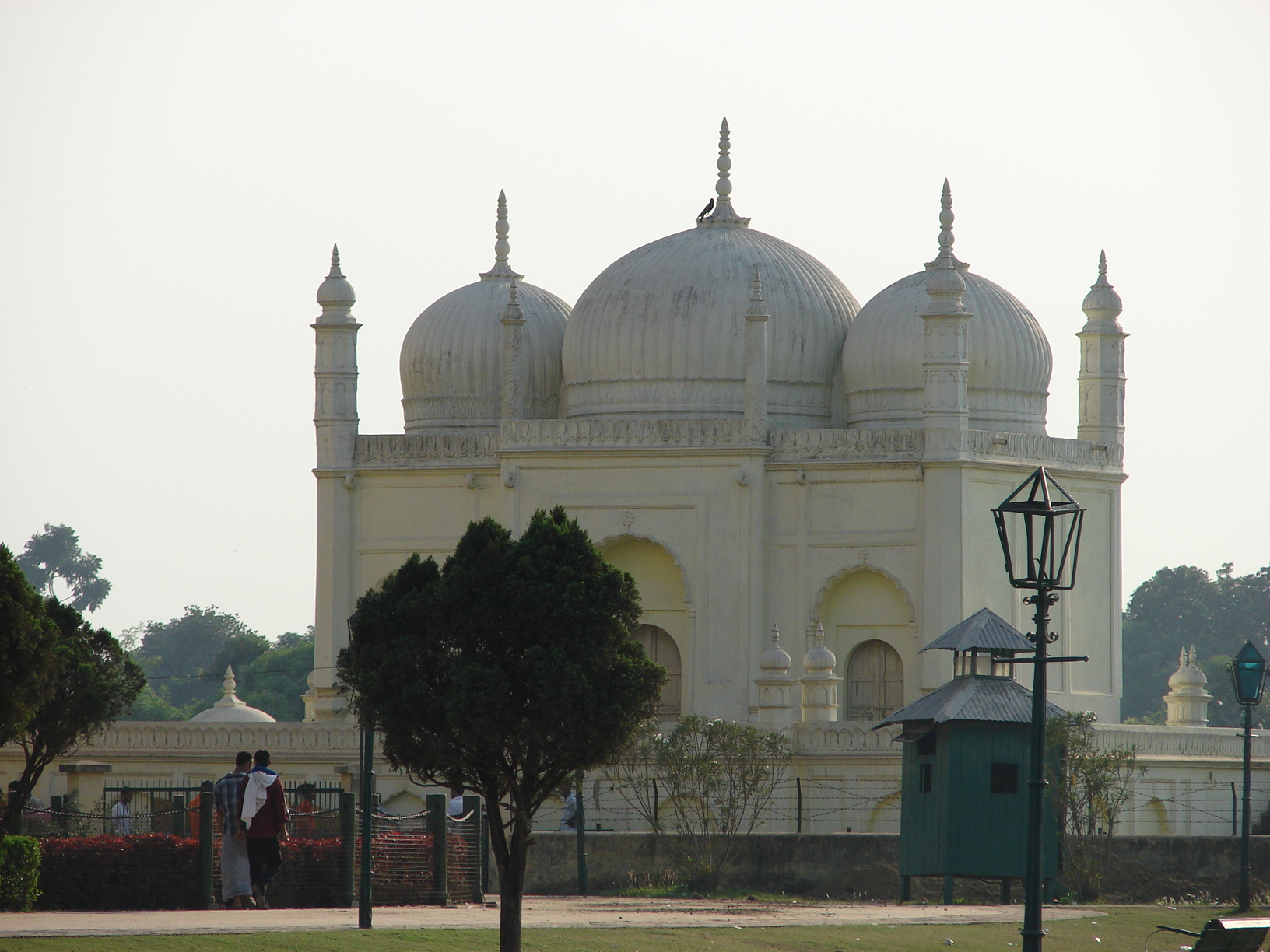
The Yellow Mosque, also known as the Jafarganj Mosque, is a stunning architectural marvel located in Murshidabad, India. This historic mosque was built in the 17th century during the reign of Nawab Sarfaraz Khan and is a prime example of Mughal architecture.
The Yellow Mosque gets its name from the vibrant yellow color of its walls, which are adorned with intricate designs and calligraphy. The mosque features a large central dome surrounded by smaller domes and minarets, creating a striking silhouette against the sky.
Visitors to the Yellow Mosque can admire the beautiful craftsmanship of its interior, which includes delicate carvings and ornate tile work. The prayer hall is spacious and airy, providing a peaceful atmosphere for worshipers.
In addition to its architectural beauty, the Yellow Mosque holds historical significance as well. It served as an important religious and cultural center during the Mughal era and continues to be a place of worship for local residents today.
If you're planning a visit to Murshidabad, be sure to include the Yellow Mosque on your itinerary. Here are some key highlights of this must-see attraction:
- Stunning Architecture: The Yellow Mosque's unique design and vibrant color make it a standout landmark in Murshidabad.
- Historical Significance: Learn about the mosque's role in Mughal history and its continued importance as a place of worship.
- Intricate Details: Take time to appreciate the intricate carvings and tile work that adorn the mosque's interior.
- Peaceful Atmosphere: Experience a sense of tranquility inside the prayer hall as you soak in the spiritual ambiance.
- Cultural Heritage: Gain insight into India's rich cultural heritage through this architectural gem.
Overall, visiting the Yellow Mosque in Murshidabad is an enriching experience that offers both aesthetic pleasure and historical insight. Don't miss out on exploring this hidden gem during your trip to this fascinating region of India.