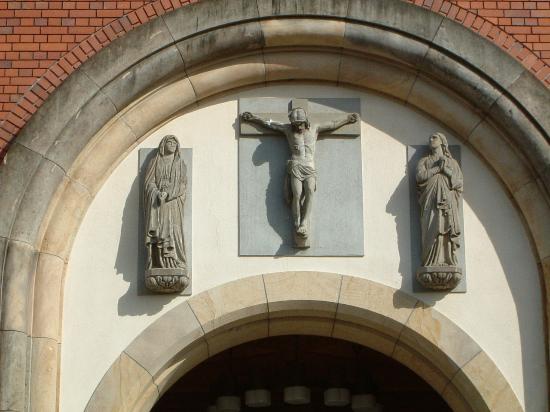
Urakami Cathedral, located in Nagasaki Prefecture, Japan, is a historic and significant landmark that holds great cultural and religious importance. The cathedral was originally built in 1895 but was tragically destroyed during the atomic bombing of Nagasaki in 1945. It was later rebuilt in 1959 as a symbol of peace and resilience.
The cathedral's architecture is a beautiful blend of Western and Japanese influences, with its striking red brick exterior and intricate stained glass windows. The interior features stunning frescoes painted by Italian artist Giovanni Battista Cavallini, adding to the cathedral's unique charm.
Visitors to Urakami Cathedral can explore the peaceful grounds surrounding the building, which include a memorial garden dedicated to the victims of the atomic bombing. The cathedral also hosts regular services and events for worshippers and tourists alike.
Here are some key highlights of Urakami Cathedral:
- Historical significance: As one of the oldest cathedrals in Japan, Urakami Cathedral has played an important role in spreading Christianity throughout the country.
- Architectural beauty: The cathedral's design is a testament to the skill and craftsmanship of its builders, with intricate details that showcase both Western and Japanese influences.
- Symbol of peace: Following its destruction during World War II, Urakami Cathedral stands as a powerful symbol of peace and reconciliation for all who visit.
- Cultural heritage: The cathedral serves as a reminder of Nagasaki's rich cultural history and its enduring spirit in the face of adversity.
In conclusion, Urakami Cathedral is a must-visit destination for anyone traveling to Nagasaki Prefecture. Its historical significance, architectural beauty, and message of peace make it a truly special place that should not be missed. Whether you are interested in history, religion, or simply appreciate stunning architecture, Urakami Cathedral has something to offer everyone who visits.