Buruli ulcer is a debilitating skin disease that affects many people in Uganda, particularly in the Buruli region. This neglected tropical disease is caused by the bacterium Mycobacterium ulcerans and can lead to severe skin ulcers and deformities if left untreated. In this article, we will explore the impact of Buruli ulcer on the people of Uganda and discuss efforts to control and prevent the spread of this disease.
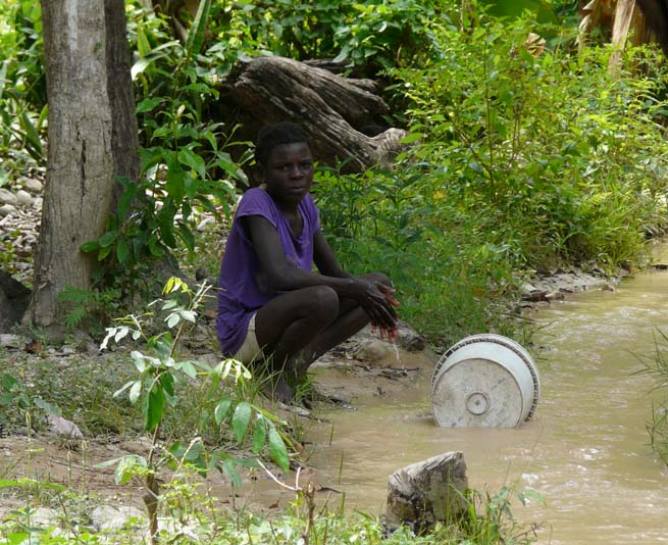
The Buruli region in Uganda has been identified as a hotspot for Buruli ulcer, with high rates of infection reported among residents. The disease primarily affects children under 15 years old, although cases have also been documented in adults. The exact mode of transmission is not fully understood, but it is believed to be linked to environmental factors such as stagnant water bodies and poor sanitation practices.
Symptoms of Buruli ulcer typically begin with painless nodules or lumps on the skin, which can progress to open ulcers with necrotic tissue. If left untreated, these ulcers can cause extensive damage to the skin and underlying tissues, leading to permanent disability and disfigurement. In severe cases, surgery may be required to remove infected tissue and prevent further complications.
Efforts to control and prevent the spread of Buruli ulcer in Uganda have focused on early detection and treatment interventions. Health education programs have been implemented to raise awareness about the signs and symptoms of the disease, encouraging individuals to seek medical care promptly. Additionally, community-based surveillance systems have been established to monitor new cases and provide timely intervention.
In terms of treatment, antibiotics such as rifampicin and streptomycin are commonly used to combat the bacterial infection associated with Buruli ulcer. Surgical debridement may also be necessary in advanced cases to remove dead tissue and promote healing. Access to healthcare services remains a challenge in rural areas of Uganda, where many affected individuals may lack resources or transportation options.
To address these barriers, mobile health clinics have been deployed in remote communities to provide screening services and deliver essential medications. Community health workers play a crucial role in identifying suspected cases of Buruli ulcer early on and referring patients for further evaluation by trained healthcare professionals.
In conclusion, Buruli ulcer continues to pose a significant public health threat in Uganda's Buruli region due to its high prevalence among vulnerable populations. Efforts are underway to improve access to healthcare services, raise awareness about preventive measures, and enhance surveillance systems for early detection. By working together with local communities and international partners, we can strive towards eliminating this devastating disease from affecting future generations in Uganda.
Key points:
- Buruli ulcer is a neglected tropical disease that affects many people in Uganda's Buruli region.
- Symptoms include painless nodules or lumps on the skin that can progress into open ulcers.
- Early detection through health education programs and community-based surveillance is crucial for effective treatment.
- Antibiotics like rifampicin are commonly used for treating Buruli ulcer infections.
- Mobile health clinics are being utilized in remote areas for screening services and medication delivery.
- Collaboration between local communities and international partners is essential for controlling the spread of this debilitating disease.