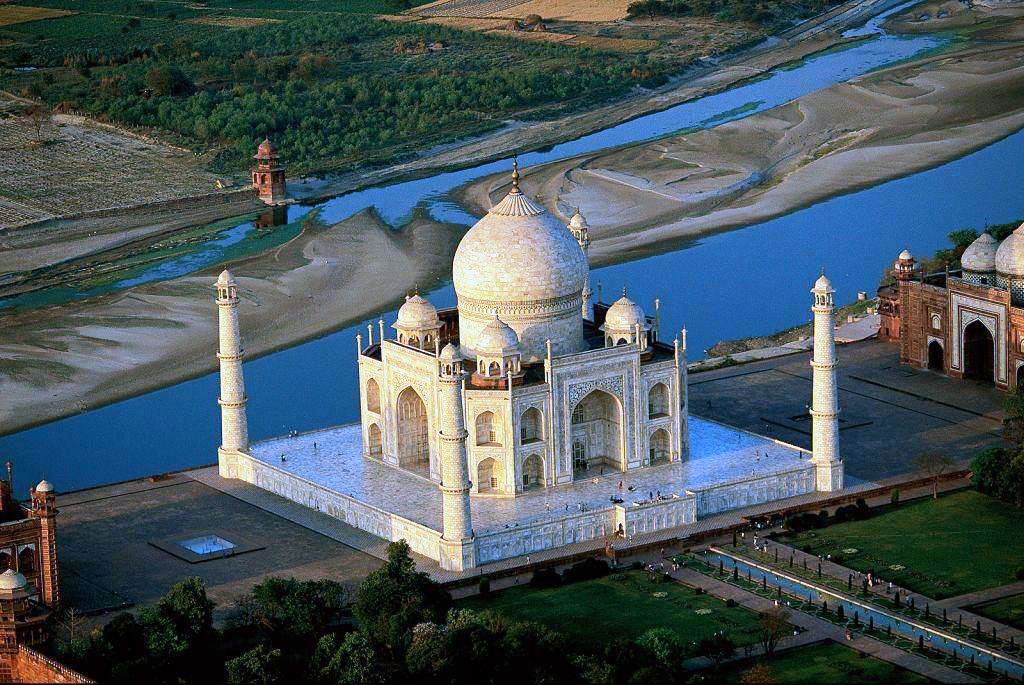
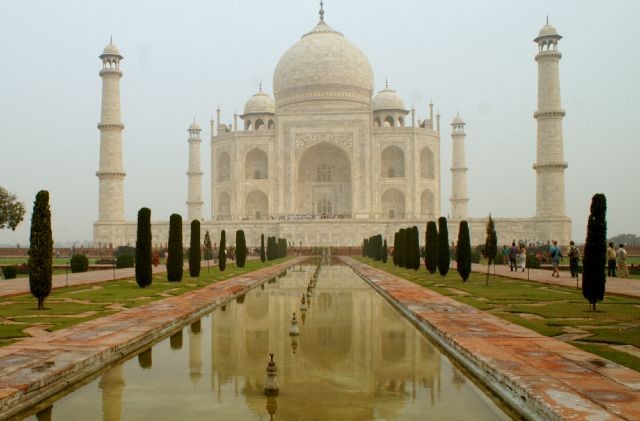
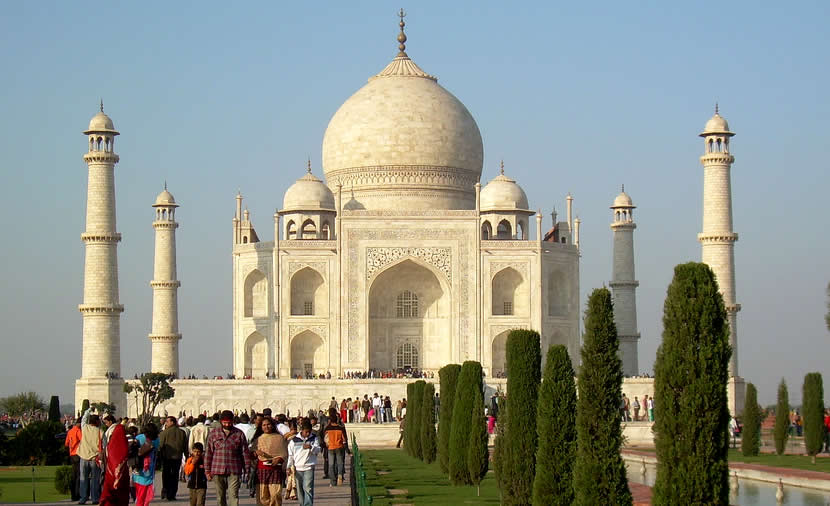
The Taj Mahal, located in Agra, India, is one of the most iconic and breathtaking monuments in the world. Built by Mughal Emperor Shah Jahan in memory of his beloved wife Mumtaz Mahal, this white marble mausoleum is a symbol of eternal love and beauty.
The Taj Mahal is not just a monument; it is a masterpiece of architectural design and engineering. The intricate carvings, delicate marble work, and symmetrical layout make it a marvel to behold. The main dome of the Taj Mahal is surrounded by four smaller domes, creating a harmonious balance that adds to its grandeur.
Visitors from all over the world flock to Agra to witness the beauty of the Taj Mahal firsthand. Here are some key facts about this magnificent monument:
- Construction of the Taj Mahal began in 1632 and was completed in 1653.
- The entire complex covers an area of approximately 42 acres.
- The main building stands on a raised platform at the northern end of a formal garden.
- The four minarets surrounding the main dome are slightly tilted outward to prevent them from falling onto the tomb in case of an earthquake.
- The white marble used in construction was sourced from various regions across India and Central Asia.
In addition to its architectural significance, the Taj Mahal holds cultural and historical importance as well. It is considered a UNESCO World Heritage Site and has been recognized as one of the New Seven Wonders of the World.
When visiting the Taj Mahal, be sure to take your time exploring its various elements. From admiring the intricate calligraphy inscribed on its walls to strolling through its lush gardens, there is much to see and experience at this iconic site.
In conclusion, the Taj Mahal is more than just a monument; it is a testament to love, beauty, and craftsmanship. Its timeless appeal continues to captivate visitors from around the globe, making it a must-visit destination for anyone traveling to India.