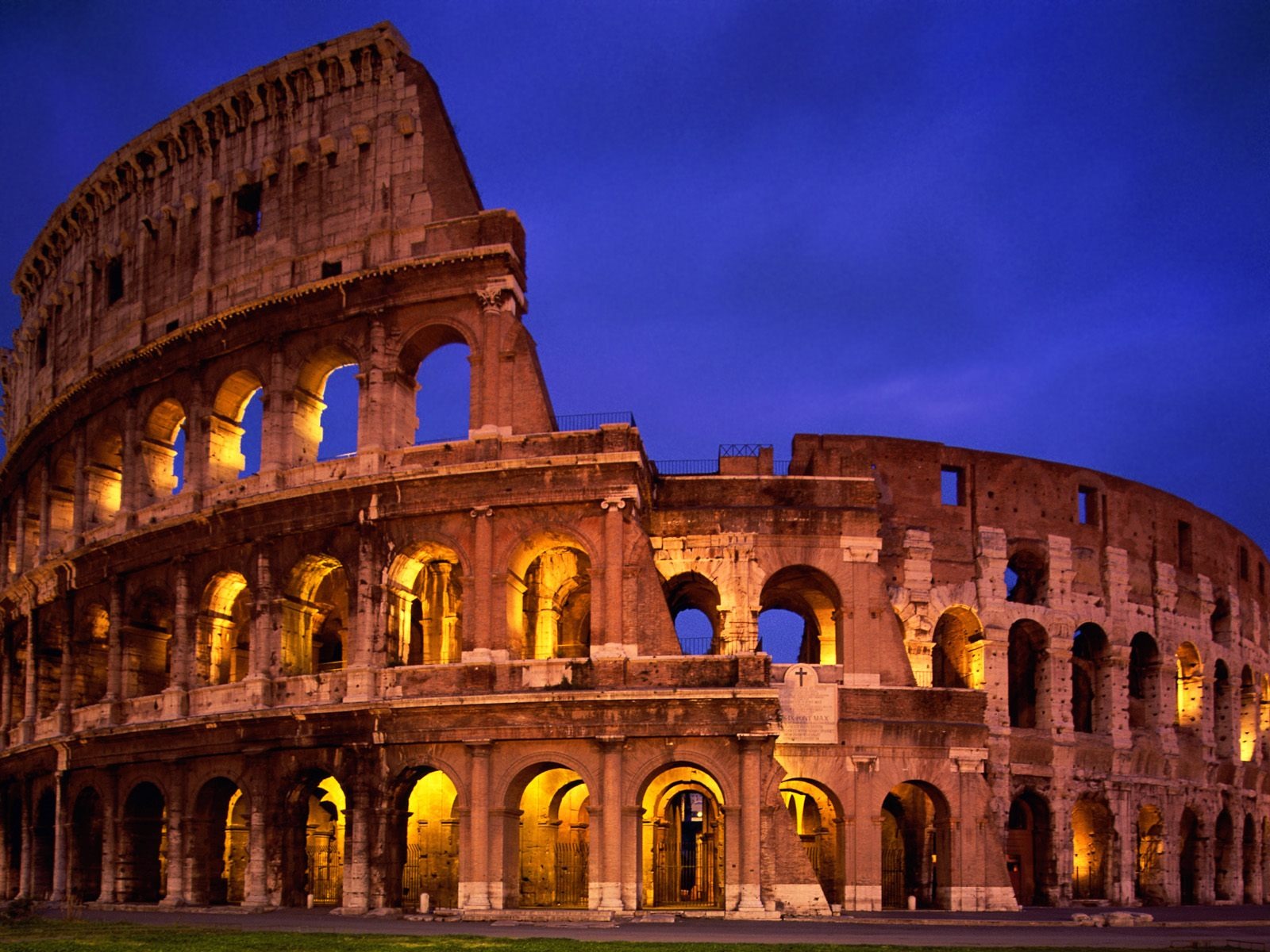
The Colosseum, also known as the Flavian Amphitheatre, is an iconic symbol of ancient Rome and one of the most famous landmarks in Italy. This massive amphitheater was built in 70-80 AD by Emperor Vespasian and his son Titus, and could hold up to 80,000 spectators for gladiatorial contests, animal hunts, executions, and other public spectacles.
The Colosseum is a marvel of ancient engineering and architecture, with its elliptical shape and towering walls standing as a testament to the ingenuity of Roman builders. The exterior facade is made of travertine stone and features three levels of arches supported by columns. The interior was once covered in marble seating for the elite classes, while the lower levels were reserved for commoners.
Visitors to the Colosseum can explore the various levels of the amphitheater, including the underground chambers where gladiators and wild animals were kept before their battles. The arena floor has been partially reconstructed to give visitors a sense of what it would have been like during a gladiatorial contest.
In addition to its historical significance, the Colosseum is also a UNESCO World Heritage Site and one of Rome's most popular tourist attractions. Here are some key facts about this ancient wonder:
- The Colosseum is estimated to have held between 50,000-80,000 spectators during its heyday.
- It was used for over four centuries for various events before falling into disrepair.
- The amphitheater was partially destroyed by earthquakes in the Middle Ages but has since been restored.
- The Colosseum has inspired countless works of art, literature, and film over the centuries.
Overall, visiting the Colosseum is a must-do experience for anyone traveling to Rome. Its grandeur and history make it a truly unforgettable destination that will transport you back in time to ancient Rome.