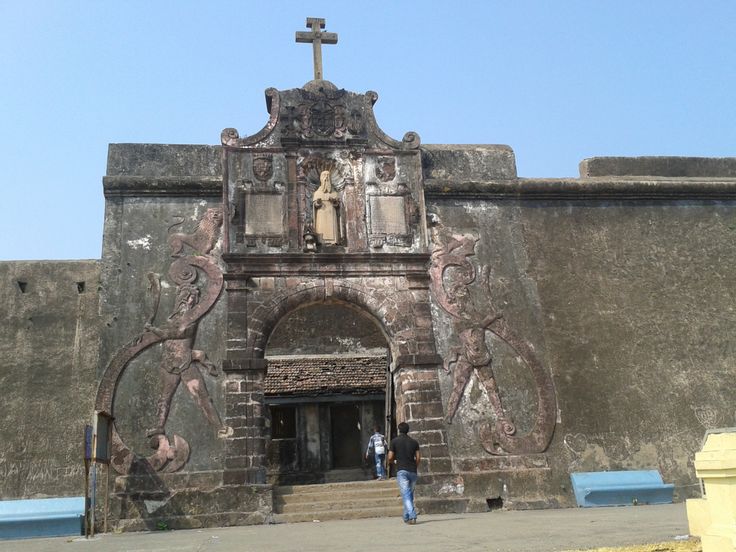
St Jerome Fort, located in the coastal town of Daman in India, is a historical landmark that holds great significance. Built by the Portuguese during their colonial rule in the 17th century, this fort stands as a testament to the rich history and cultural heritage of the region.
The fort is named after Saint Jerome, who was a Christian scholar and theologian known for his translation of the Bible into Latin. It served as a strategic military outpost for the Portuguese to defend against invasions from neighboring kingdoms and pirates. The architecture of St Jerome Fort reflects a blend of European and Indian styles, with its imposing walls and bastions overlooking the Arabian Sea.
Visitors to St Jerome Fort can explore its well-preserved ramparts, cannons, and watchtowers that offer panoramic views of the surrounding area. The fort also houses a small chapel dedicated to Saint Jerome, where religious services are still held today. In addition to its historical significance, St Jerome Fort is also a popular tourist attraction for those looking to learn more about Daman's past.
Here are some key highlights of St Jerome Fort:
- Impressive Architecture: The fort's sturdy walls and bastions showcase a mix of European and Indian architectural styles.
- Panoramic Views: Visitors can enjoy breathtaking views of the Arabian Sea from the fort's ramparts.
- Chapel: The small chapel inside the fort is dedicated to Saint Jerome and serves as a place of worship for locals.
- Historical Significance: St Jerome Fort played a crucial role in defending Daman against invasions during Portuguese rule.
Overall, St Jerome Fort is not just a historical monument but also an important part of Daman's cultural heritage. Its picturesque location by the sea makes it a must-visit destination for history buffs and tourists alike. So next time you're in Daman, be sure to pay a visit to this iconic landmark and immerse yourself in its fascinating history.