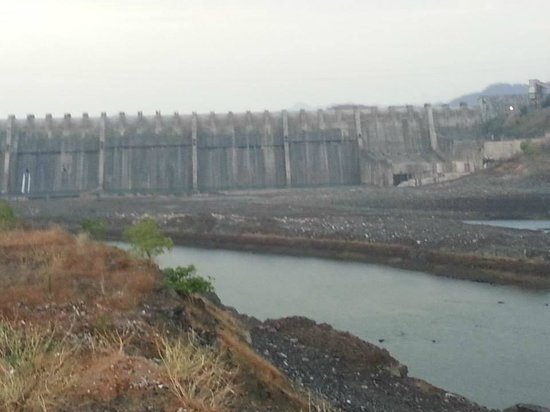
Sardar Sarovar Dam, located in Songadh, India, is one of the largest dams in the country and a significant engineering marvel. Built on the Narmada River, this dam serves multiple purposes including irrigation, hydroelectric power generation, and flood control. The construction of the dam began in 1979 and was completed in 2017.
The Sardar Sarovar Dam stands at an impressive height of 163 meters and has a storage capacity of over 9 billion cubic meters of water. It has a length of 1.2 kilometers and is equipped with thirty gates to regulate the flow of water. The dam's reservoir covers an area of approximately 37,000 hectares and provides water for irrigation to millions of farmers in Gujarat, Madhya Pradesh, Maharashtra, and Rajasthan.
In addition to its role in irrigation, the Sardar Sarovar Dam also generates hydroelectric power through its four powerhouses with a total installed capacity of 1,450 megawatts. This helps meet the electricity needs of several states in western India.
Visitors to the Sardar Sarovar Dam can witness its grandeur from various viewpoints along the riverbank. The surrounding area offers picturesque views of lush greenery and serene waters that make it a popular tourist destination.
Some key features of the Sardar Sarovar Dam include:
- Height: 163 meters
- Length: 1.2 kilometers
- Storage capacity: Over 9 billion cubic meters
- Reservoir area: Approximately 37,000 hectares
- Number of gates: Thirty
Overall, the Sardar Sarovar Dam is not only a vital infrastructure project but also a symbol of India's progress in harnessing its natural resources for development. Its contribution to agriculture, energy generation, and flood control makes it an essential asset for the region's growth and prosperity.