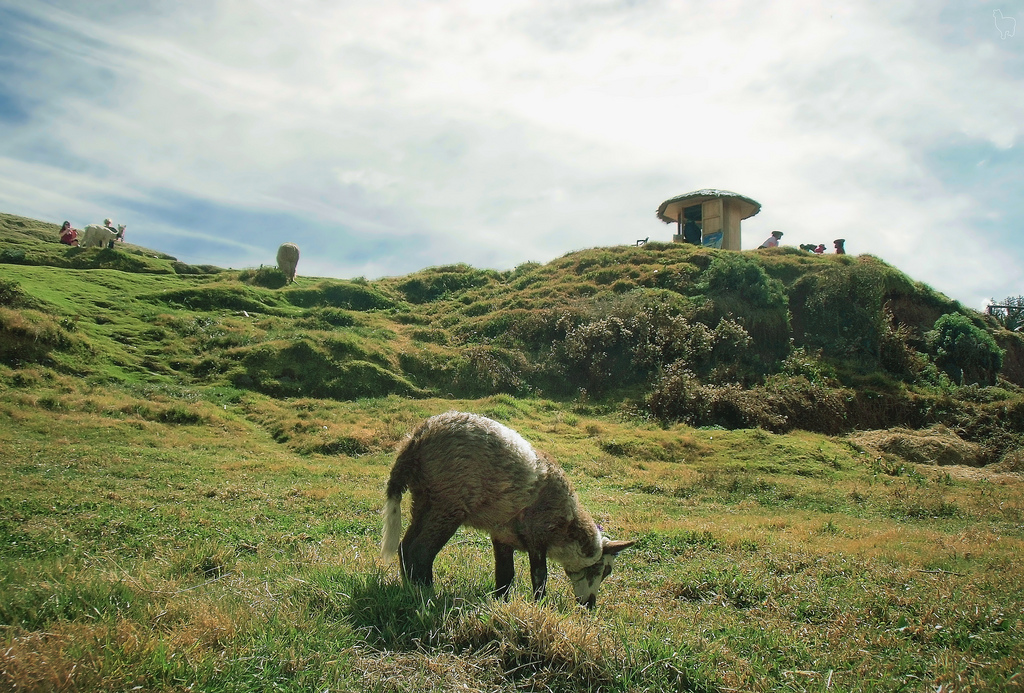
Sacsayhuaman is an ancient Inca archaeological site located on the outskirts of Cusco, Peru. This impressive fortress is renowned for its massive stone walls and intricate stonework, which have puzzled archaeologists for centuries. The site offers visitors a glimpse into the engineering prowess of the Inca civilization and provides stunning views of the surrounding landscape.
The name Sacsayhuaman comes from the Quechua words "saqsay" meaning satisfied or satiated, and "waman" meaning falcon. It is believed that the site was used for religious ceremonies and military purposes by the Inca rulers.
One of the most striking features of Sacsayhuaman is its megalithic stone walls, which are made up of enormous limestone blocks weighing up to 200 tons each. These stones were carefully cut and fitted together without mortar, creating a seamless and earthquake-resistant structure.
Visitors to Sacsayhuaman can explore the various terraces, plazas, and temples that make up the site. Some highlights include:
- The Temple of the Sun: A circular structure dedicated to Inti, the Inca sun god.
- The Tower of Pachacuteq: A tall tower that served as a lookout point for defending against invaders.
- The Hall of Justice: A large building thought to have been used for administrative purposes.
In addition to its historical significance, Sacsayhuaman also offers breathtaking panoramic views of Cusco and the surrounding mountains. Visitors can take in these vistas while wandering through the ruins or enjoying a picnic on one of the grassy areas within the site.
To fully appreciate all that Sacsayhuaman has to offer, it is recommended to hire a guide who can provide insight into the history and significance of each structure. Additionally, visitors should wear comfortable shoes as there is some walking involved in exploring this expansive site.
Overall, a visit to Sacsayhuaman is a must-do for anyone interested in Inca history or ancient civilizations. Its impressive architecture and stunning views make it one of Peru's most iconic archaeological sites.