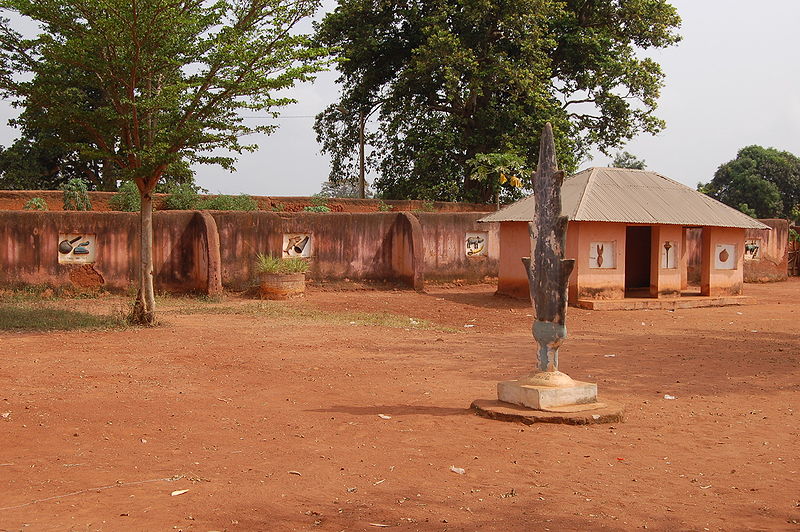
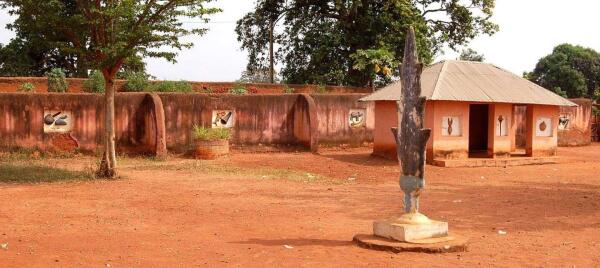
Abomey, a city located in the West African country of Benin, is home to one of the most historically significant sites on the continent - the Royal Palaces of Abomey. These palaces are a UNESCO World Heritage Site and serve as a reminder of the once powerful Kingdom of Dahomey.
The Royal Palaces of Abomey were constructed in the 17th century by King Houegbadja, who founded the Kingdom of Dahomey. Over the centuries, successive kings added to and expanded upon these palaces, creating a complex that served as both a royal residence and a center of political power.
The palaces are made up of several interconnected courtyards and buildings, each serving a specific purpose. Some of the key features include:
- The Throne Room: This is where the king would hold court and receive visitors. The room is adorned with intricate carvings and symbols that represent the power and authority of the king.
- The Women's Courtyard: This area was reserved for the king's wives and concubines. It features beautifully decorated walls and serves as a testament to the importance of women in Dahomeyan society.
- The Temple Courtyard: This sacred space was used for religious ceremonies and rituals. It contains altars dedicated to various deities worshipped by the people of Dahomey.
In addition to these main areas, there are also numerous smaller buildings within the palace complex that served various functions such as storage rooms, living quarters for servants, and guardhouses.
Visitors to the Royal Palaces of Abomey can explore these historic buildings and learn about their significance through guided tours or self-guided visits. The site offers a unique opportunity to step back in time and experience firsthand what life was like in this powerful kingdom.
In conclusion, the Royal Palaces of Abomey are an important cultural heritage site that offers valuable insights into Benin's rich history. Whether you're a history buff or simply interested in exploring new cultures, a visit to these palaces is sure to be an unforgettable experience.