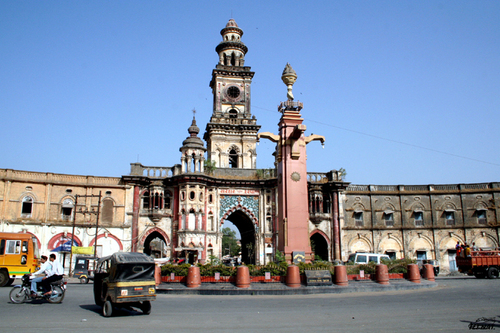
Patan Gate in Junagadh, India is a historical monument that holds great significance in the region. This majestic gate stands as a symbol of the rich cultural heritage and architectural marvel of the city.
The Patan Gate was built during the reign of Mahmud Begada, a Sultan of Gujarat, in the 15th century. It served as an entrance to the city and was strategically designed to provide protection from invasions. The gate is adorned with intricate carvings and designs that showcase the craftsmanship of that era.
Visitors to Patan Gate can marvel at its grandeur and beauty while also learning about its historical importance. The gate has stood the test of time and remains well-preserved, making it a popular tourist attraction in Junagadh.
Here are some key features of Patan Gate:
- Architectural Marvel: The design and structure of Patan Gate reflect the architectural brilliance of its builders. The intricate carvings on the walls depict scenes from mythology and history, adding to its charm.
- Historical Significance: As one of the oldest gates in Junagadh, Patan Gate holds immense historical significance. It has witnessed various events over centuries and serves as a reminder of the city's past.
- Cultural Heritage: The gate is not just a monument but also a representation of Junagadh's cultural heritage. Visitors can immerse themselves in the rich history and traditions associated with this iconic landmark.
- Tourist Attraction: Patan Gate attracts tourists from all over India who come to admire its beauty and learn about its history. It offers a glimpse into Gujarat's glorious past and leaves visitors awe-struck.
In conclusion, Patan Gate in Junagadh is more than just a monument - it is a testament to the city's glorious past and cultural heritage. Its architectural splendor, historical significance, and cultural importance make it a must-visit destination for anyone exploring this vibrant region of India.