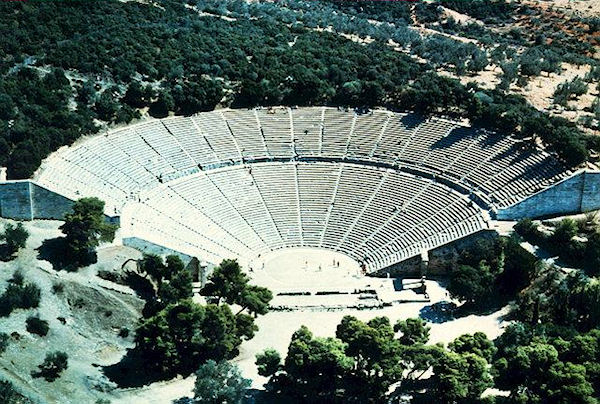
Mycenae, located in the region of Argolis in Greece, is an ancient archaeological site that holds great historical significance. This UNESCO World Heritage Site is known for its impressive ruins and rich history dating back to the Bronze Age.
The city of Mycenae was a major center of Greek civilization and played a significant role in shaping the culture and politics of ancient Greece. It is believed to have been inhabited as early as 2000 BC and reached its peak around 1350 BC.
One of the most iconic features of Mycenae is the Lion Gate, which serves as the main entrance to the citadel. This monumental structure is adorned with two lion sculptures standing guard over the city, symbolizing power and strength.
Visitors to Mycenae can explore several other notable sites within the archaeological complex, including:
- The Treasury of Atreus: Also known as the Tomb of Agamemnon, this beehive-shaped tomb is one of the largest and best-preserved tholos tombs in Greece.
- The Palace Complex: This series of interconnected buildings served as the administrative and residential center of Mycenae during its heyday.
- The Grave Circle A: A royal cemetery where several shaft graves containing valuable artifacts were discovered, providing insight into Mycenaean burial practices.
In addition to its architectural wonders, Mycenae also has a rich mythological heritage. According to Greek mythology, it was founded by Perseus, son of Zeus and Danaë. The city later became associated with King Agamemnon, leader of the Greeks during their war against Troy.
Today, visitors can immerse themselves in this fascinating history by exploring the ruins of Mycenae and learning about its cultural significance. The site offers guided tours and informative signage to help visitors understand its importance in ancient Greek civilization.
In conclusion, Mycenae in Argolis Greece is a must-visit destination for history enthusiasts and anyone interested in experiencing firsthand one of Greece's most important archaeological sites. Its impressive ruins, mythological connections, and historical significance make it a truly unique place to explore.