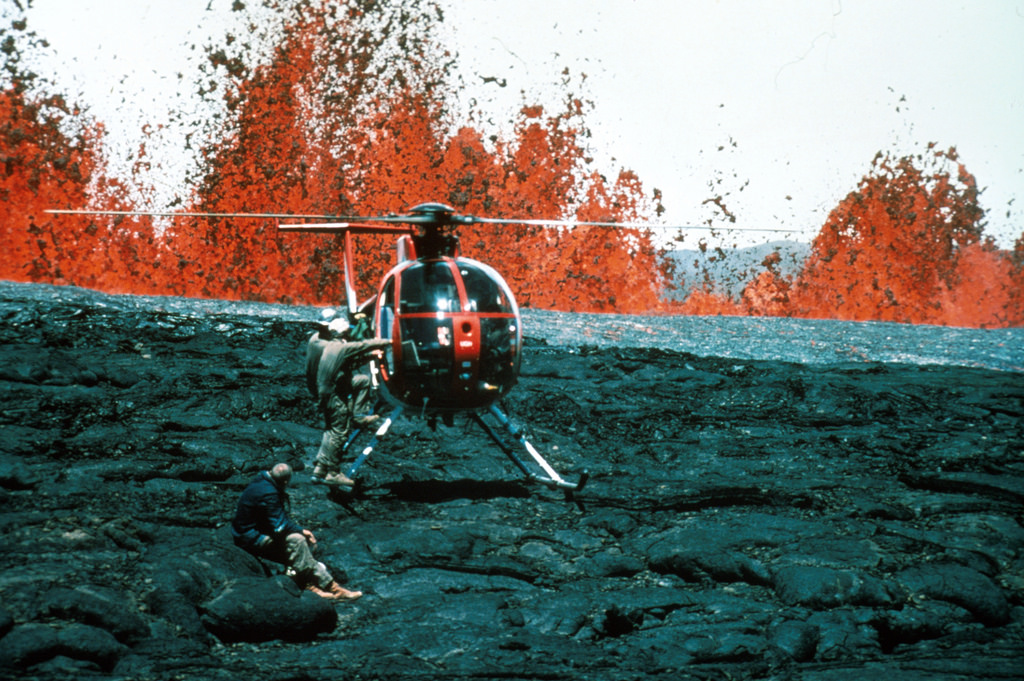
Mauna Loa Observatory is a world-renowned research facility located in Hilo, United States. Situated on the slopes of Mauna Loa, one of the largest volcanoes in the world, this observatory plays a crucial role in monitoring atmospheric conditions and studying climate change.
The observatory was established in 1956 by the National Oceanic and Atmospheric Administration (NOAA) and has since become a key player in global climate research. Its location at an elevation of 11,135 feet above sea level provides scientists with a unique vantage point for studying atmospheric processes and collecting data on greenhouse gas concentrations.
One of the main focuses of research at Mauna Loa Observatory is the measurement of carbon dioxide levels in the atmosphere. The observatory's continuous monitoring program, known as the Mauna Loa CO2 record, has been instrumental in documenting the steady increase of carbon dioxide levels over the past several decades. This data has been used to raise awareness about climate change and inform policy decisions aimed at reducing greenhouse gas emissions.
In addition to its work on carbon dioxide levels, Mauna Loa Observatory also conducts research on other greenhouse gases such as methane and nitrous oxide. Scientists at the observatory use state-of-the-art instruments to measure these gases and track their impact on global warming.
Visitors to Mauna Loa Observatory can take guided tours of the facility and learn about its groundbreaking research efforts. The observatory offers stunning views of Mauna Kea and Mauna Loa volcanoes, making it a popular destination for nature enthusiasts and science buffs alike.
Key highlights of Mauna Loa Observatory include:
- Continuous monitoring program for carbon dioxide levels
- Research on other greenhouse gases such as methane and nitrous oxide
- State-of-the-art instruments for measuring atmospheric conditions
- Guided tours for visitors interested in learning more about climate research
Overall, Mauna Loa Observatory is a vital hub for climate research and an important contributor to our understanding of global environmental issues. Its work continues to shape scientific discourse on climate change and inform efforts to mitigate its effects.