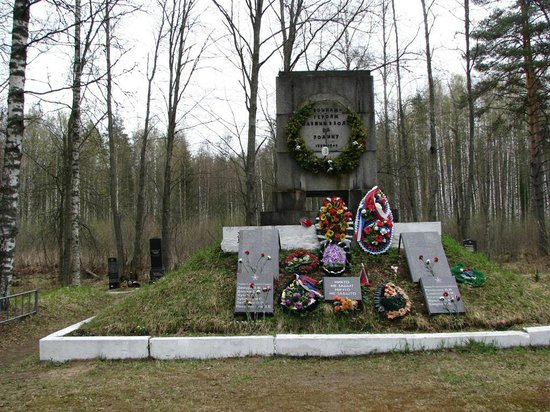
The Mannerheim Line in Vyborg, Russia is a historic fortification that played a significant role in the Winter War between Finland and the Soviet Union. Named after Finnish military leader Carl Gustaf Emil Mannerheim, the line was built as a defensive barrier to protect Finland's eastern border.
Constructed in the late 1930s, the Mannerheim Line consisted of a series of bunkers, trenches, and obstacles designed to impede enemy advances. The line stretched for over 100 kilometers from the Gulf of Finland to Lake Ladoga, with Vyborg serving as one of its key strategic points.
During the Winter War of 1939-1940, the Soviet Union launched a massive offensive against Finland and managed to breach the Mannerheim Line in several places. Despite fierce resistance from Finnish forces, Vyborg fell to Soviet troops in March 1940.
Today, visitors to Vyborg can explore remnants of the Mannerheim Line and learn about its history at various museums and historical sites in the area. The fortifications serve as a reminder of the intense fighting that took place during World War II and highlight the importance of preserving historical landmarks for future generations.
Key features of the Mannerheim Line in Vyborg include:
- Bunkers: The line was dotted with concrete bunkers that housed soldiers and provided protection from enemy fire.
- Trenches: Soldiers dug extensive trench systems along the line to defend against ground attacks.
- Obstacles: Barbed wire fences, tank traps, and other obstacles were strategically placed to hinder enemy movements.
- Observation posts: Lookout towers and observation posts were used to monitor enemy activity along the front lines.
In conclusion, the Mannerheim Line in Vyborg is a fascinating historical site that offers insight into Finland's military history during World War II. Visitors can explore bunkers, trenches, and other fortifications while learning about the events that shaped this region's past. It serves as a poignant reminder of war's impact on society and underscores the importance of preserving such landmarks for future generations to appreciate.