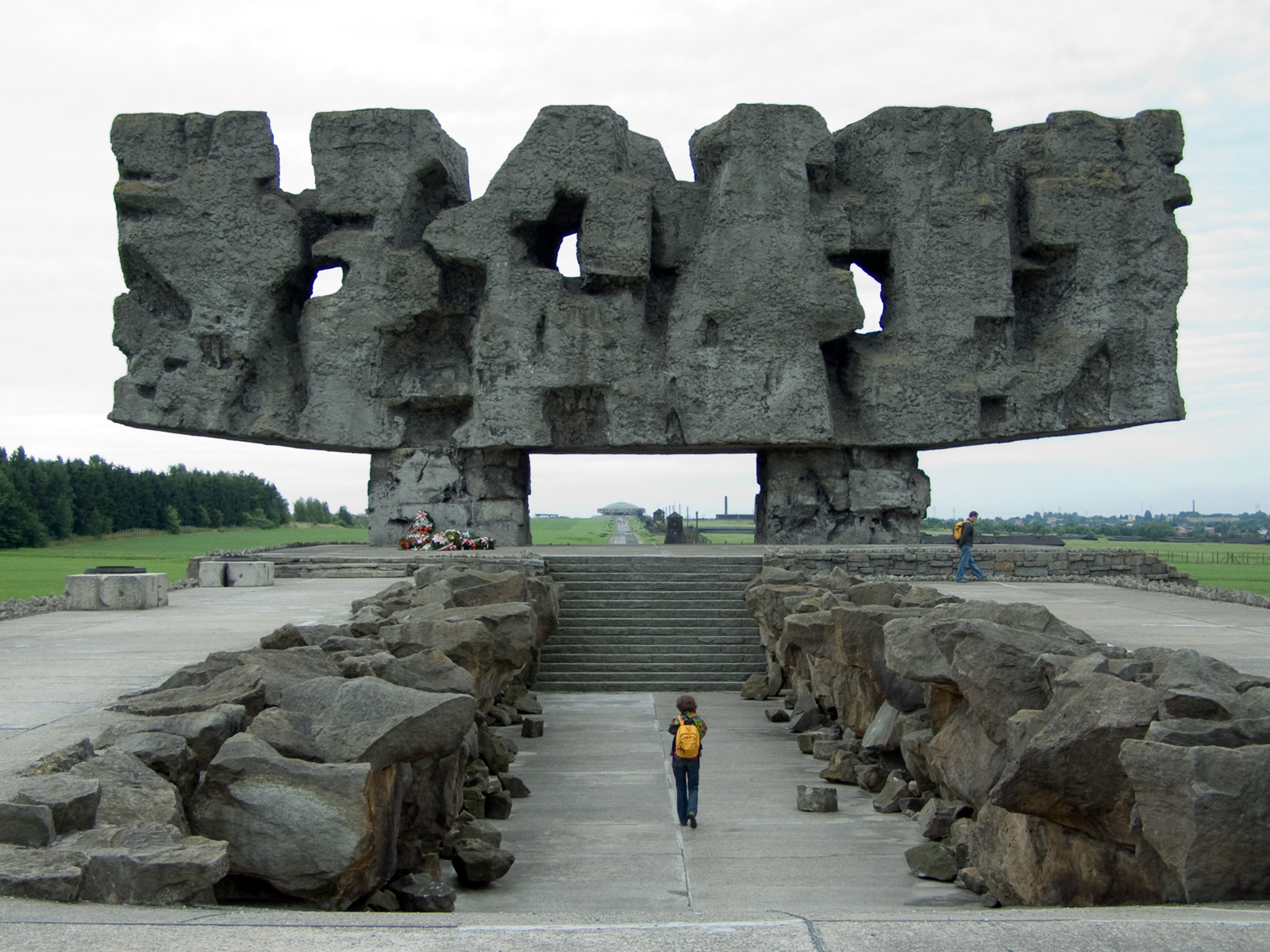
Majdanek National Museum is a significant historical site located in Lublin, Poland. This museum serves as a memorial to the victims of the Majdanek concentration camp, which was one of the largest Nazi concentration camps during World War II. The museum was established in 1944, just after the liberation of the camp by Soviet forces.
The museum is spread over an area of 270 hectares and includes several original buildings from the camp, such as barracks, gas chambers, and crematoriums. Visitors can explore these buildings and learn about the atrocities that took place within their walls. The museum also features exhibitions with photographs, documents, and personal belongings of the prisoners who were held at Majdanek.
One of the most striking features of Majdanek National Museum is the Mausoleum, which houses ashes and bones of some of the victims who perished at the camp. This somber monument serves as a reminder of the horrors that occurred during this dark period in history.
Visitors to Majdanek National Museum can take guided tours led by knowledgeable staff members who provide detailed information about the camp's history and significance. These tours offer a comprehensive understanding of what life was like for prisoners at Majdanek and help visitors to pay their respects to those who lost their lives there.
In addition to its historical significance, Majdanek National Museum also offers educational programs for schools and groups interested in learning more about World War II and Holocaust history. These programs aim to raise awareness about human rights issues and promote tolerance among future generations.
Overall, Majdanek National Museum is a powerful memorial that honors the memory of those who suffered at this tragic site. It serves as a reminder of the importance of remembering past atrocities so that they are never repeated in future generations.