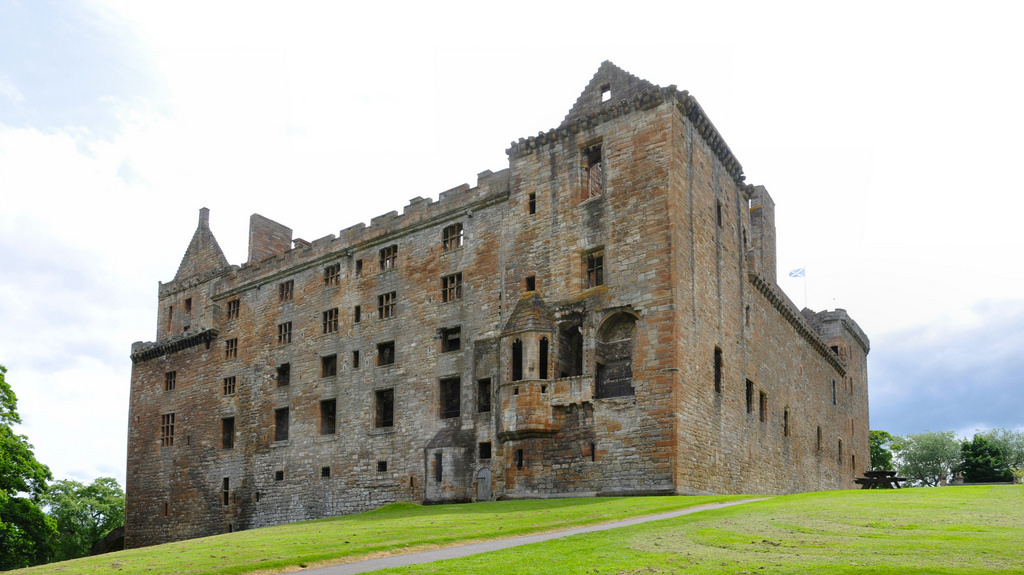
Linlithgow Palace is a historic royal palace located in the town of Linlithgow, Scotland. This magnificent palace served as a residence for the Scottish monarchs for over 200 years and holds a significant place in Scottish history. Today, it stands as a popular tourist attraction, offering visitors a glimpse into the country's rich past.
The palace was originally built in the 15th century by King James I of Scotland and underwent several renovations and expansions over the centuries. It features stunning architecture, including intricate stone carvings and grand courtyards, making it a must-see destination for history buffs and architecture enthusiasts alike.
One of the most notable features of Linlithgow Palace is its picturesque location overlooking Linlithgow Loch. Visitors can enjoy breathtaking views of the surrounding countryside from the palace grounds, making it an ideal spot for photography enthusiasts.
Inside the palace, visitors can explore various rooms and chambers that offer insight into royal life during different periods of history. Highlights include the Great Hall, where banquets and celebrations were held, as well as the Royal Apartments, which showcase lavish furnishings and decor fit for royalty.
In addition to its historical significance, Linlithgow Palace also has ties to famous figures such as Mary Queen of Scots, who was born at the palace in 1542. Her birth room is one of the most popular attractions at the site and offers visitors a chance to learn more about this iconic queen's life.
For those interested in exploring further afield, Linlithgow Palace is conveniently located near other attractions such as St Michael's Parish Church and Linlithgow Burgh Halls. Visitors can easily spend a full day exploring all that this charming town has to offer.
Overall, Linlithgow Palace is a must-visit destination for anyone interested in Scottish history or looking to experience firsthand what life was like for royalty in centuries past. With its stunning architecture, picturesque surroundings, and rich historical significance, it truly is a gem worth discovering.
Key highlights:
- Built in the 15th century by King James I of Scotland