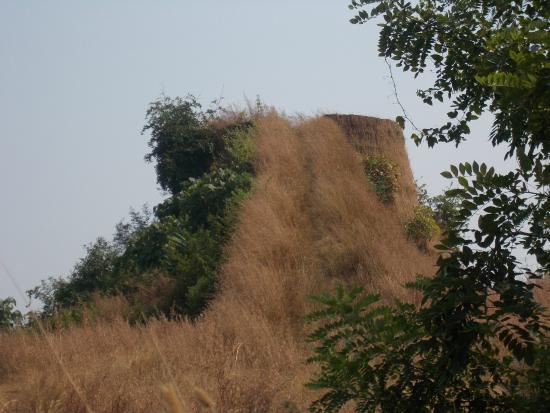
Kumble Fort, located in Kasaragod district of Kerala, India, is a historic fort that dates back to the 17th century. This ancient fort holds great significance in the history of the region and attracts tourists from far and wide who are interested in exploring its rich past.
The fort was built by Shivappa Nayaka of Bednore in 1650 AD and later captured by Hyder Ali of Mysore. It was then taken over by the British East India Company in 1799. The architecture of Kumble Fort reflects a blend of Indian and European styles, with its massive walls, bastions, and watchtowers standing as a testament to its military importance.
Visitors to Kumble Fort can explore its various attractions and learn about its intriguing history. Some of the highlights include:
- The main entrance gate: The imposing entrance gate of the fort is a sight to behold, with intricate carvings and designs that showcase the craftsmanship of the artisans who built it.
- Bastions: The fort has several bastions that offer panoramic views of the surrounding area. Visitors can climb up these structures to get a bird's eye view of the landscape.
- Watchtowers: The watchtowers at Kumble Fort were used for surveillance purposes during times of war. Today, they provide visitors with an opportunity to imagine what life was like for soldiers stationed at the fort.
- Ruins: The fort has several ruins scattered throughout its premises, including old buildings and structures that have stood the test of time. These ruins serve as reminders of the fort's storied past.
In addition to exploring the historical aspects of Kumble Fort, visitors can also enjoy picnicking on its grounds or taking leisurely walks around its perimeter. The serene atmosphere within the fort's walls makes it an ideal spot for relaxation and contemplation.
Overall, Kumble Fort is a must-visit destination for history buffs and anyone interested in experiencing Kerala's rich cultural heritage. Its well-preserved architecture and fascinating past make it a unique attraction that should not be missed when visiting Kasaragod district in India.