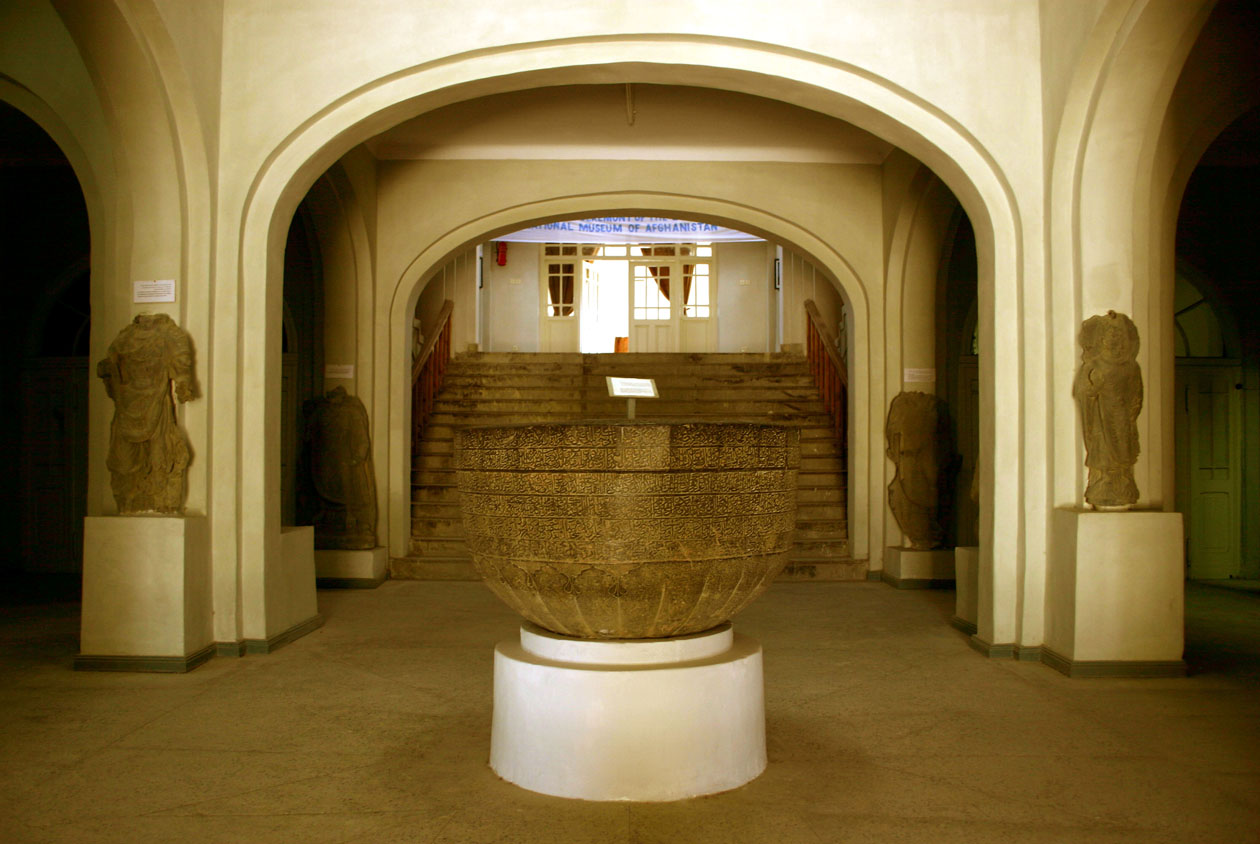
Kabul Museum, also known as the National Museum of Afghanistan, is a cultural treasure trove located in the heart of Kabul, the capital city of Afghanistan. Established in 1919, the museum houses a vast collection of artifacts that showcase the rich history and heritage of this ancient land.
The museum's collection includes items dating back to prehistoric times, as well as artifacts from various periods such as the Greco-Bactrian, Kushan, and Islamic eras. From exquisite pottery and jewelry to intricate sculptures and manuscripts, visitors can explore a wide range of objects that offer insights into Afghanistan's diverse cultural past.
One of the most famous pieces in the museum is the Bactrian Gold, a collection of over 20,000 gold artifacts discovered in northern Afghanistan in 1978. These stunning treasures date back to the Bronze Age and provide a glimpse into the sophisticated craftsmanship and artistic skills of ancient Afghan civilizations.
In addition to its permanent collection, Kabul Museum also hosts temporary exhibitions that highlight different aspects of Afghan culture and history. These exhibitions often feature contemporary artwork by local artists or showcase important archaeological discoveries from ongoing excavations across the country.
Visitors to Kabul Museum can also enjoy guided tours led by knowledgeable staff members who provide valuable insights into the significance of each artifact on display. The museum's peaceful gardens offer a tranquil setting for reflection and contemplation after exploring its fascinating galleries.
For those interested in learning more about Afghan history and culture, Kabul Museum is a must-visit destination. Whether you are an art enthusiast, history buff, or simply curious about this resilient nation's past, a visit to this iconic institution will leave you with a deeper appreciation for Afghanistan's rich cultural heritage.
Highlights of Kabul Museum:
- Bactrian Gold: A stunning collection of over 20,000 gold artifacts dating back to ancient times.
- Pottery: Exquisite pottery pieces showcasing intricate designs and craftsmanship.
- Sculptures: Intricate sculptures depicting gods, goddesses, and mythical creatures from Afghan mythology.
- Manuscripts: Rare manuscripts detailing historical events and religious texts from various periods.
- Temporary Exhibitions: Rotating exhibits featuring contemporary artwork by local artists or important archaeological discoveries.
In conclusion,
Kabul Museum is not just a repository for ancient artifacts but also serves as a symbol of resilience and hope for Afghanistan's future. By preserving its cultural heritage through institutions like Kabul Museum, this war-torn nation continues to celebrate its rich history and traditions despite facing numerous challenges. A visit to this iconic museum is not only an educational experience but also an opportunity to support Afghanistan's efforts towards rebuilding its identity amidst adversity.