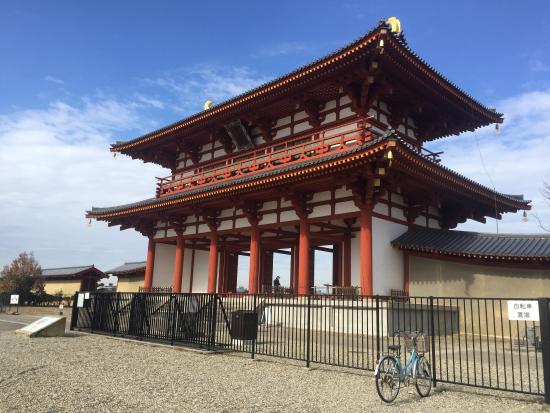
Heijokyu Ruins, located in Nara, Japan, are a fascinating historical site that offer visitors a glimpse into the ancient capital of Japan. This UNESCO World Heritage Site was once the political and cultural center of the country during the Nara period (710-794). The ruins cover an area of approximately 1.3 million square meters and include the remains of various buildings such as the Imperial Palace, government offices, and residential quarters.
One of the most impressive features of Heijokyu Ruins is the Suzaku Gate, which served as the main entrance to the palace complex. This massive gate was adorned with intricate carvings and served as a symbol of imperial power during its time. Visitors can still see remnants of this grand structure today.
Another highlight of Heijokyu Ruins is the Daigoku-den Hall, which was once used for important ceremonies and events. This building was one of the largest wooden structures in ancient Japan and featured elaborate decorations and artwork. While only a few foundation stones remain today, visitors can still imagine the grandeur of this historic hall.
In addition to these main attractions, there are several other interesting features to explore at Heijokyu Ruins. These include:
- The East Palace Site: This area housed members of the imperial family and their attendants.
- The Government Office Site: Here, officials conducted administrative duties for the empire.
- The Excavation Site Museum: Visitors can learn more about the history and significance of Heijokyu Ruins through artifacts and exhibits on display.
Overall, Heijokyu Ruins offer a unique opportunity to step back in time and experience life in ancient Japan. Whether you're a history buff or simply curious about Japanese culture, this site is definitely worth a visit. So next time you find yourself in Nara, be sure to add Heijokyu Ruins to your itinerary for an unforgettable journey through Japan's rich past.