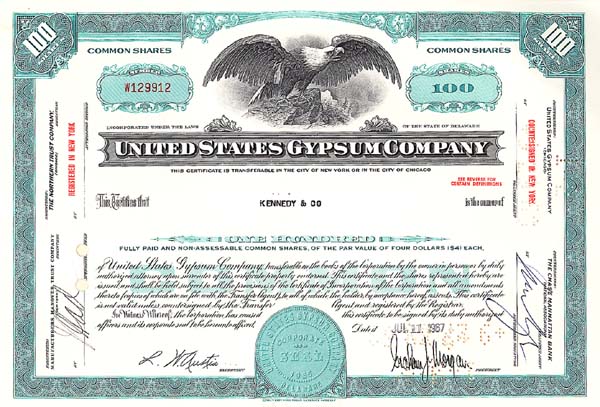
Gypsum is a naturally occurring mineral that is commonly found in the Eagle United States area. This mineral is composed of calcium sulfate dihydrate and has a variety of uses in both industrial and agricultural applications. Gypsum is known for its high solubility in water, making it a valuable resource for soil conditioning and improving crop yields. In addition to its agricultural uses, gypsum is also used in construction, as a binding agent in plaster and drywall.
One of the key benefits of gypsum is its ability to improve soil structure and fertility. When applied to soil, gypsum helps to loosen compacted soils, allowing for better water penetration and root growth. Gypsum also helps to reduce soil erosion, improve drainage, and increase the availability of nutrients to plants. In areas with high levels of sodium in the soil, gypsum can help to displace sodium ions and improve soil quality.
In addition to its agricultural uses, gypsum is also used in a variety of industrial applications. Gypsum is commonly used in construction as a binding agent in plaster and drywall. It is also used in the production of cement and as a filler in paper and paint. Gypsum is a versatile mineral that has many different uses and benefits across various industries.
Some of the key benefits of using gypsum include:
- Improving soil structure and fertility
- Increasing crop yields
- Reducing soil erosion
- Improving water penetration and drainage
- Displacing sodium ions in saline soils
- Acting as a binding agent in construction materials
Overall, gypsum is a valuable resource that has a wide range of uses and benefits in the Eagle United States area. Whether it is used in agriculture to improve soil fertility or in construction as a binding agent, gypsum plays an important role in supporting various industries and promoting sustainable practices. Its versatility and effectiveness make it a valuable mineral that will continue to be in demand for years to come.