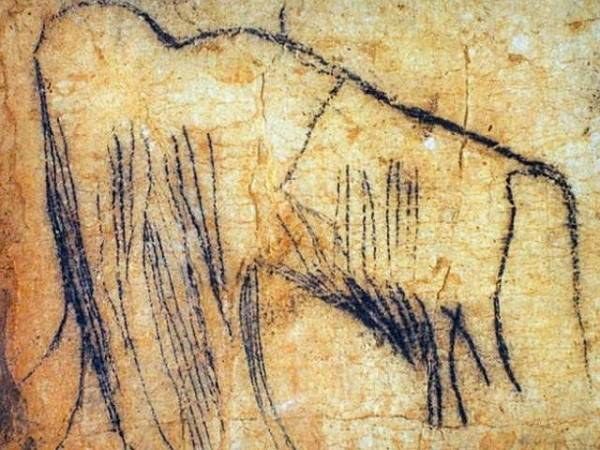
Grotte du Pech-Merle is a stunning cave located in the Lot region of France. This prehistoric site is renowned for its impressive collection of cave paintings, which date back over 20,000 years. The cave was discovered in 1922 by two young boys and has since become a popular tourist destination for those interested in history and archaeology.
The cave itself is situated on a limestone hillside overlooking the Cele Valley, providing visitors with breathtaking views of the surrounding countryside. Inside, visitors can explore several chambers adorned with intricate paintings depicting animals such as horses, bison, mammoths, and even human figures. These ancient artworks offer a fascinating glimpse into the lives of our ancestors and provide valuable insights into prehistoric art and culture.
In addition to its remarkable paintings, Grotte du Pech-Merle also features impressive geological formations such as stalactites and stalagmites. The cave's natural beauty adds to its allure and makes it a must-visit destination for nature lovers as well.
Visitors to Grotte du Pech-Merle can take guided tours of the cave to learn more about its history and significance. Knowledgeable guides provide informative commentary on the paintings, their meanings, and the techniques used by prehistoric artists. Tours typically last around an hour and are suitable for visitors of all ages.
For those looking to make the most of their visit to Grotte du Pech-Merle, here are some tips:
- Wear comfortable shoes as there may be uneven terrain inside the cave.
- Bring a camera to capture the beauty of the cave's paintings and geological formations.
- Book tickets in advance to avoid long wait times at the entrance.
- Consider visiting during off-peak hours or seasons to avoid crowds.
Overall, Grotte du Pech-Merle is a fascinating destination that offers a unique opportunity to step back in time and experience prehistoric art up close. Whether you're an art enthusiast, history buff, or nature lover, this remarkable cave has something for everyone. Don't miss out on this extraordinary cultural treasure during your visit to France's Lot region!