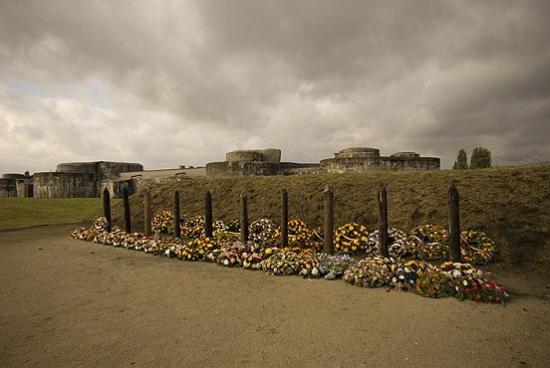
Fort Breendonk is a historic fortress located in the Flemish Brabant Province of Belgium. Built between 1906 and 1913, the fort was originally intended to defend Antwerp, one of Belgium's major cities, from potential invasions. However, during World War II, Fort Breendonk was used by the Nazis as a detention and deportation camp.
The fort has since been transformed into a memorial site and museum, dedicated to preserving the memory of those who suffered within its walls during the war. Visitors can explore the various rooms and exhibits that tell the harrowing stories of prisoners who were held captive at Fort Breendonk.
Here are some key highlights of Fort Breendonk:
- Prisoner Barracks: The cramped and unsanitary conditions in which prisoners were kept are on display in the reconstructed barracks. Visitors can see firsthand how inmates lived during their time at the camp.
- Execution Site: A chilling reminder of the atrocities committed at Fort Breendonk, the execution site is where many prisoners met their untimely end. It serves as a somber tribute to those who lost their lives at the hands of the Nazis.
- Torture Chamber: One of the most haunting parts of Fort Breendonk is the torture chamber, where prisoners were subjected to brutal interrogation methods. The room stands as a stark reminder of the cruelty inflicted upon innocent people during wartime.
- Memorial Wall: The memorial wall at Fort Breendonk lists the names of all known victims who perished at the camp. It serves as a poignant tribute to those who lost their lives and ensures that they will never be forgotten.
Visiting Fort Breendonk is not only an educational experience but also a deeply moving one. The fort stands as a testament to human resilience in times of great adversity and serves as a reminder of the importance of remembering history's darkest moments.
In conclusion, Fort Breendonk in Flemish Brabant Province Belgium is a must-visit destination for anyone interested in learning about World War II history and paying tribute to those who suffered during this tumultuous period. Its well-preserved grounds and informative exhibits make it an essential stop for travelers seeking to understand Belgium's role in one of humanity's darkest chapters.