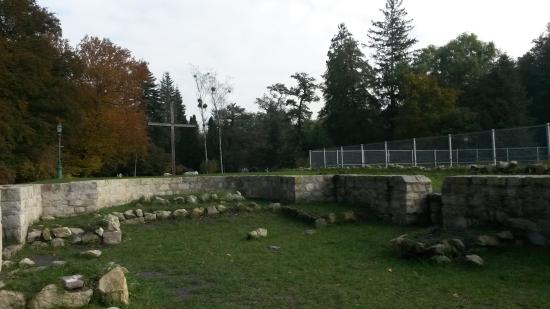
The Benedictine Monastery Ruins in Miskolc, Hungary are a fascinating historical site that offers visitors a glimpse into the past. Located in the northern part of the country, these ruins date back to the 13th century and provide insight into the religious and cultural practices of the time.
The monastery was founded by King Andrew II of Hungary in 1232 and served as a place of worship and learning for centuries. The monks who lived here followed the Rule of St. Benedict, which emphasized prayer, work, and community living.
Unfortunately, the monastery fell into disrepair over time and was eventually abandoned in the 18th century. Today, all that remains are the ruins of the church and some surrounding buildings. Despite their dilapidated state, these ruins are still an impressive sight to behold.
Visitors to the Benedictine Monastery Ruins can explore the grounds and imagine what life was like for the monks who once called this place home. The peaceful atmosphere makes it easy to see why they chose this location for their spiritual retreat.
In addition to exploring the ruins themselves, visitors can also enjoy stunning views of Miskolc from this vantage point. The monastery is situated on a hill overlooking the city, providing a unique perspective on its layout and architecture.
For those interested in history or architecture, a visit to the Benedictine Monastery Ruins is a must-see attraction in Miskolc. Whether you're looking to learn more about Hungarian culture or simply enjoy a peaceful stroll through ancient ruins, this site has something to offer everyone.
Key highlights:
- Founded by King Andrew II of Hungary in 1232
- Followed Rule of St. Benedict
- Abandoned in 18th century
- Impressive church ruins
- Stunning views of Miskolc from hilltop location
Overall, visiting the Benedictine Monastery Ruins in Miskolc is an enriching experience that allows visitors to connect with Hungary's rich history and heritage. Don't miss out on this unique opportunity to step back in time and explore one of Europe's most intriguing historical sites.