
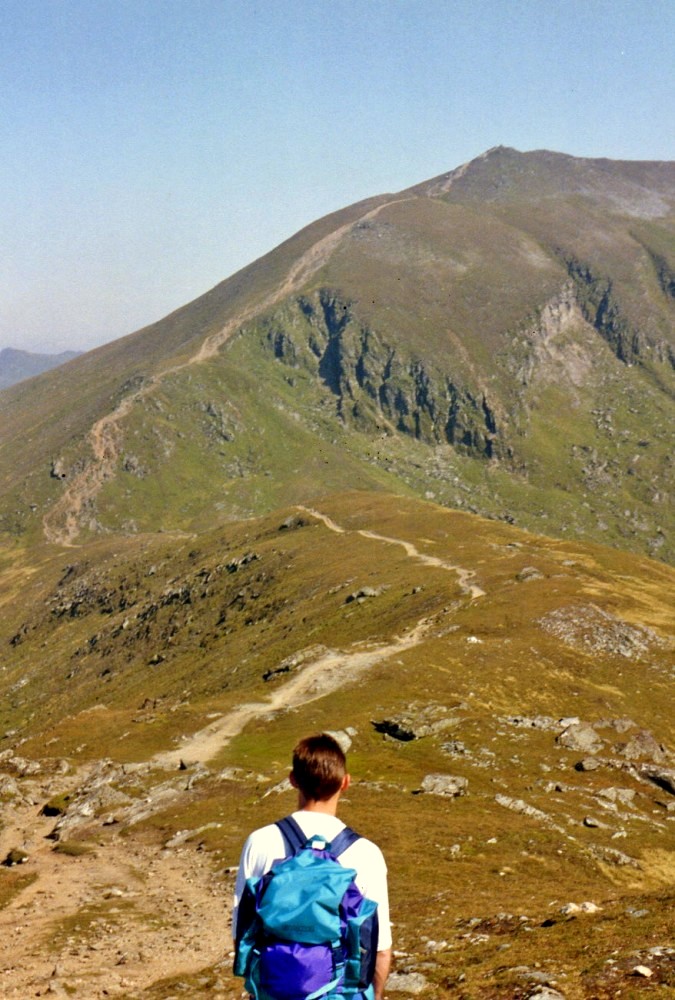



Ben Lawers is a prominent mountain located in the village of Lawers, Scotland. Standing at an impressive height of 1,214 meters (3,983 feet), it is one of the highest peaks in the Scottish Highlands. The mountain is part of the Ben Lawers National Nature Reserve, which encompasses a diverse range of habitats and wildlife.
One of the main attractions of Ben Lawers is its stunning panoramic views from the summit. On a clear day, hikers can see as far as Loch Tay and even as far as Ben Nevis, the highest peak in Scotland. The hike to the summit is challenging but rewarding, with well-marked trails leading through rugged terrain and past cascading waterfalls.
In addition to its natural beauty, Ben Lawers also holds historical significance. The mountain has been designated as a Site of Special Scientific Interest due to its unique flora and fauna. Rare alpine plants such as purple saxifrage and alpine foxtail grass can be found on its slopes, making it a haven for botanists and nature enthusiasts.
For those looking to explore more than just the summit, there are several other hiking trails around Ben Lawers that offer different perspectives of the mountain and surrounding landscape. The nearby Lochan na Lairige provides a tranquil setting for picnics or birdwatching, while the Glen Lyon valley offers opportunities for longer hikes through ancient woodlands.
Visitors to Ben Lawers should come prepared with appropriate gear and clothing, as weather conditions can change rapidly in the Scottish Highlands. It is also important to respect the natural environment by following Leave No Trace principles and staying on designated paths to protect fragile ecosystems.
Overall, Ben Lawers is a must-visit destination for outdoor enthusiasts seeking adventure and breathtaking scenery in Scotland's wild landscapes. Whether you're an experienced hiker or just looking for a peaceful retreat in nature, this iconic mountain has something to offer everyone.
Highlights:
- Stunning panoramic views from the summit
- Diverse range of habitats and wildlife
- Historical significance as a Site of Special Scientific Interest
- Rare alpine plants such as purple saxifrage
- Nearby hiking trails offering different perspectives
Tips:
- Come prepared with appropriate gear and clothing
- Respect Leave No Trace principles
- Stay on designated paths to protect fragile ecosystems
Please Share This Page: