Bansagar Dam is a multipurpose river valley project located in Shahdol district of Madhya Pradesh, India. It is built on the Sone River, which is a tributary of the Ganges River. The dam serves multiple purposes including irrigation, hydroelectric power generation, and flood control.
The construction of Bansagar Dam was completed in 2008 and it has a total storage capacity of 1.4 billion cubic meters. The dam is an important source of water for irrigation in the region, benefiting farmers and increasing agricultural productivity. It also generates around 425 MW of electricity through its hydroelectric power plant.
One of the key features of Bansagar Dam is its ability to control floods in the region. During monsoon season, when the water level in the Sone River rises significantly, the dam helps regulate the flow of water downstream, preventing flooding in nearby areas.
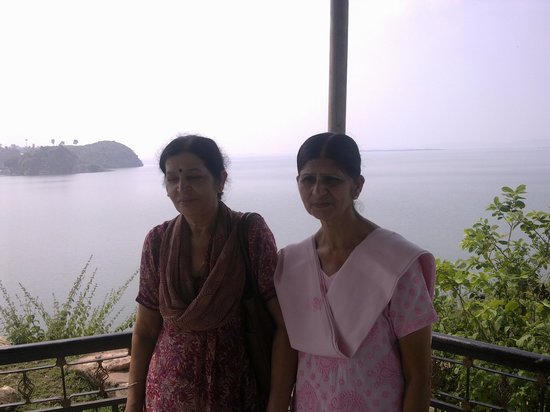
Visitors to Bansagar Dam can enjoy stunning views of the reservoir and surrounding landscape. The dam also offers opportunities for boating and fishing, making it a popular destination for tourists looking to relax and unwind amidst nature.
In addition to its practical benefits, Bansagar Dam has also become a symbol of engineering excellence and sustainable development in India. The project has helped improve living standards in the region by providing reliable access to water for agriculture and electricity for households.
Overall, Bansagar Dam stands as a testament to human ingenuity and innovation in harnessing natural resources for the benefit of society. Whether you are interested in exploring its scenic beauty or learning about its technical aspects, a visit to this impressive structure is sure to be both educational and enjoyable.
Key highlights:
- Located in Shahdol district of Madhya Pradesh
- Built on Sone River
- Completed in 2008
- Total storage capacity: 1.4 billion cubic meters
- Benefits: irrigation, hydroelectric power generation, flood control
In conclusion, Bansagar Dam is not just a concrete structure but a lifeline for the people living in Shahdol district. Its impact on agriculture, electricity generation, and flood prevention cannot be overstated. A visit to this marvel of engineering is highly recommended for anyone interested in witnessing firsthand how human intervention can positively impact nature's resources.