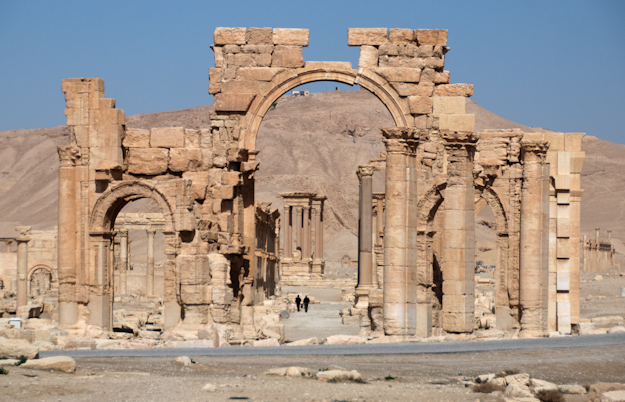
Arch in Palmyra, Syria: A Symbol of Ancient Grandeur
The ancient city of Palmyra in Syria is home to some of the most well-preserved ruins from the Roman Empire. One of the most iconic structures in Palmyra is the Arch of Triumph, also known as the Monumental Arch. This majestic arch stands as a symbol of the city's former grandeur and power.
Constructed during the reign of Emperor Septimius Severus in the 3rd century AD, the Arch of Triumph served as a ceremonial entrance to the city. It was built to commemorate his military victories and to honor his son Caracalla. The arch is adorned with intricate carvings and inscriptions that depict scenes from battle and triumph.
Despite being partially destroyed by ISIS militants in 2015, efforts are underway to restore this historic monument to its former glory. The Arch of Triumph remains a testament to Palmyra's rich history and cultural significance.
Key Features of the Arch of Triumph:
- Standing at over 20 meters tall, the Arch of Triumph is an imposing structure that commands attention.
- The arch is made up of three main archways, with intricate detailing on each section.
- Inscriptions on the arch pay tribute to Emperor Septimius Severus and his son Caracalla.
- The arch is decorated with ornate carvings depicting scenes from Roman mythology and military conquests.
- Visitors can still see remnants of the original decorations despite damage caused by ISIS militants.
Visiting Palmyra and seeing the Arch of Triumph in person offers a unique opportunity to step back in time and witness firsthand one of Syria's most important historical sites. As restoration efforts continue, it is hoped that this iconic monument will once again stand as a symbol of ancient grandeur for generations to come.