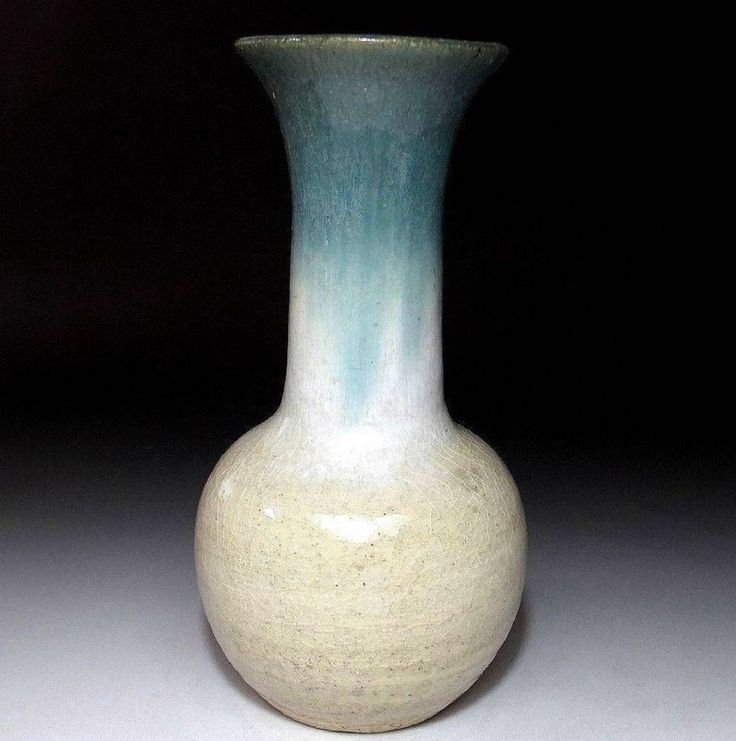
In the 1620s a paradigm shift occurred, the Saruyama Hongama kiln was opened in Akaike. Chon’gye who abandoned his own kiln, which is the Kamanokuchi kiln to some potters, founded the new kiln. The Saruyama Hongama Kiln tried its best in keeping the standards of Kamanokuchi, but unfortunately, it didn’t last as operations were successful only up to the 1630s; this was when Hosokawa Tadaoki became the governor of a province near Higo which Chon’gye followed. For around 250 years, the Ogasawara family continued the production of tea wares. During this time, competition was running hot by other kilns such as the porcelain kilns at Arita. This forced Agano potters to put more effort in their craftsmanship which yielded Agano Wares to come out kilns with more finesse and diverse in form. During the 18th century, one of Chon’gye’s descendants named Totoki Hosho started working at the Sarayuma kiln traveled to Kyoto and Edo to grasp the most recent techniques together with the use of different types of glazes and virtuoso textural effects depending on what kind of design of the Agano Ware was desired. Production of Agano ware declined during the 1860s that was the period of feudal domains. Eventually, Agano ware redeemed its glory once again during the early 20th century.